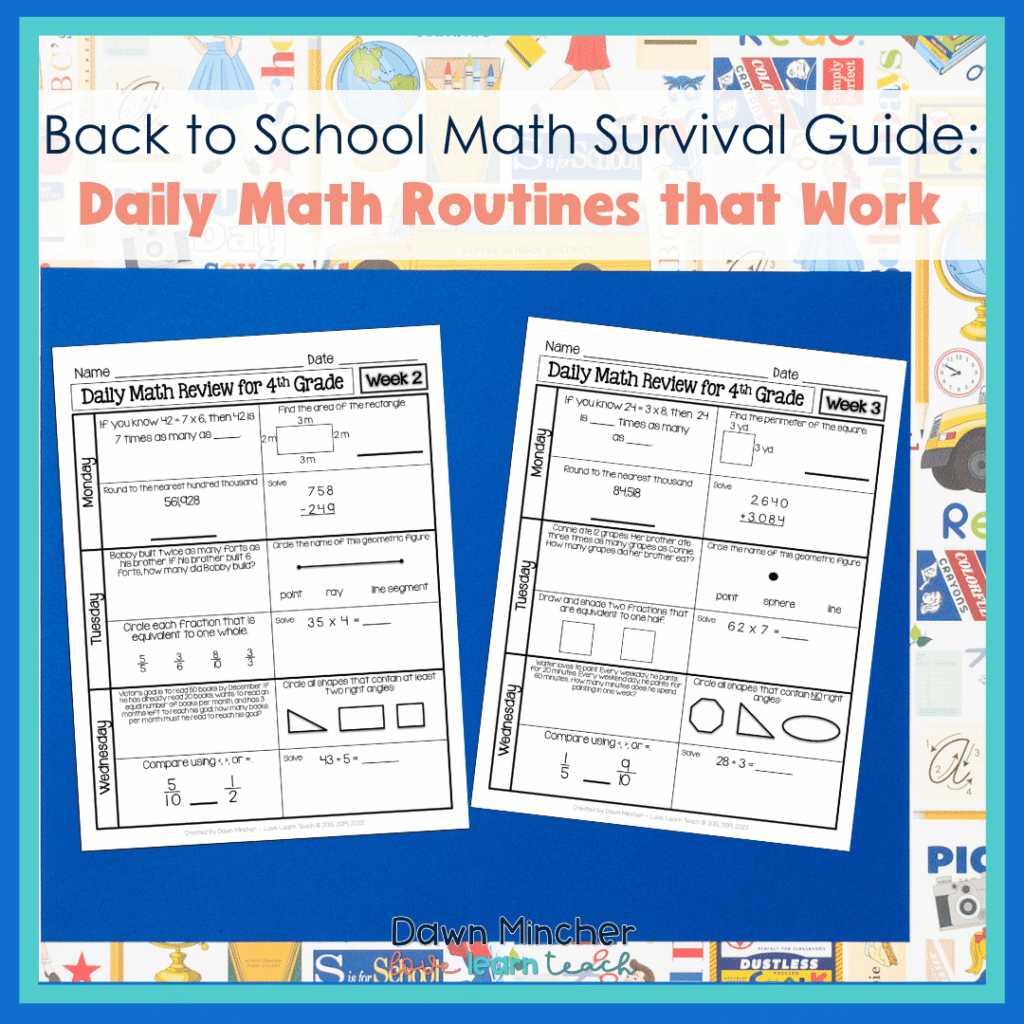
Have you ever looked at your lesson plans for the first week of school and wondered how you are supposed to fit everything into one math block? Your students are returning after months away from the classroom. Many need a refresher before they are ready for new learning. At the same time, you are teaching procedures, building classroom routines, and trying to learn about your new students. It can often feel like there simply aren’t enough minutes in the day. That’s exactly why establishing consistent daily math routines is one of the most valuable decisions you can make each school year. Those first few minutes of math class help your students rebuild confidence, give you valuable insight into their understanding, and set a positive tone for every lesson that follows.
Why Daily Math Routines Matter from the First Day of School
One thing I learned over the years was that my students thrive when they know what to expect. The first weeks of school are filled with new faces, new schedules, and new expectations. Having consistent daily math routines gave my students something familiar to count on. Instead of wondering what came next, they walked into math knowing exactly how class would begin.

Those predictable routines also helped me make the most of every instructional minute. While my students settled into their seats and began working, I could take attendance, answer a quick question, or check in with a student who needed extra support. There wasn’t a rush to get everyone started because the routine had already done that for me. Before long, the beginning of math class felt calm instead of chaotic.
I also noticed that having daily math routines helped my students feel more confident after summer break. Many arrived worried they had forgotten everything they learned the previous year. Starting with familiar problems reminded them that they already knew more than they realized. Those small successes built confidence before we ever introduced a new lesson.
What Are Daily Math Routines?
When I talk about daily math routines, I’m not talking about teaching the same lesson every day. I’m talking about creating a predictable structure that your students can rely on from the moment they enter the classroom. The activities may change throughout the year, but the routine stays the same. That consistency helps your students focus on learning instead of figuring out what they’re supposed to do.

Two of my favorite daily math routines were spiral review and bell ringers. Although we sometimes use those terms interchangeably, they actually serve different purposes. Spiral review revisits previously taught concepts from throughout the year. Bell ringers provide a short activity that your students complete as class begins. Together, they created an engaging and purposeful start to every math lesson.
The best part was that these daily math routines didn’t require a large chunk of instructional time. Most mornings, my students spent just a few minutes reviewing skills before we transitioned into our lesson. Those minutes added up over weeks and months. That time gave my students repeated opportunities to practice important concepts. Looking back, they became one of the simplest ways to build consistency into my classroom.
Choosing the Right Daily Math Routines for Your Classroom
One of the best things about daily math routines is that they aren’t one-size-fits-all. The routine you choose should match the goals you have for your students. Before selecting a resource, think about the skills your class needs the most. That simple step helped me make my morning routine much more intentional.
If your students need consistent exposure to many different math concepts, spiral review is a great choice. Each page mixes several standards together, giving your students regular opportunities to revisit previous learning. I often recommend spiral review to fellow teachers who want a simple way to identify misconceptions before beginning new instruction.
If computation fluency was your biggest concern, bell ringers provide focused practice that your students could complete in just a few minutes. Some of you may prefer using fluency practice every day. Others of you may want to alternate between fluency and spiral review throughout the week. There isn’t one perfect answer. The important part is establishing daily math routines that support your instructional goals and remain consistent for your students.
How Spiral Review Strengthened My Daily Math Routines
One of the biggest challenges at the beginning of the school year was deciding what to review. My students remembered some skills right away, while others needed extra practice before everything clicked again.
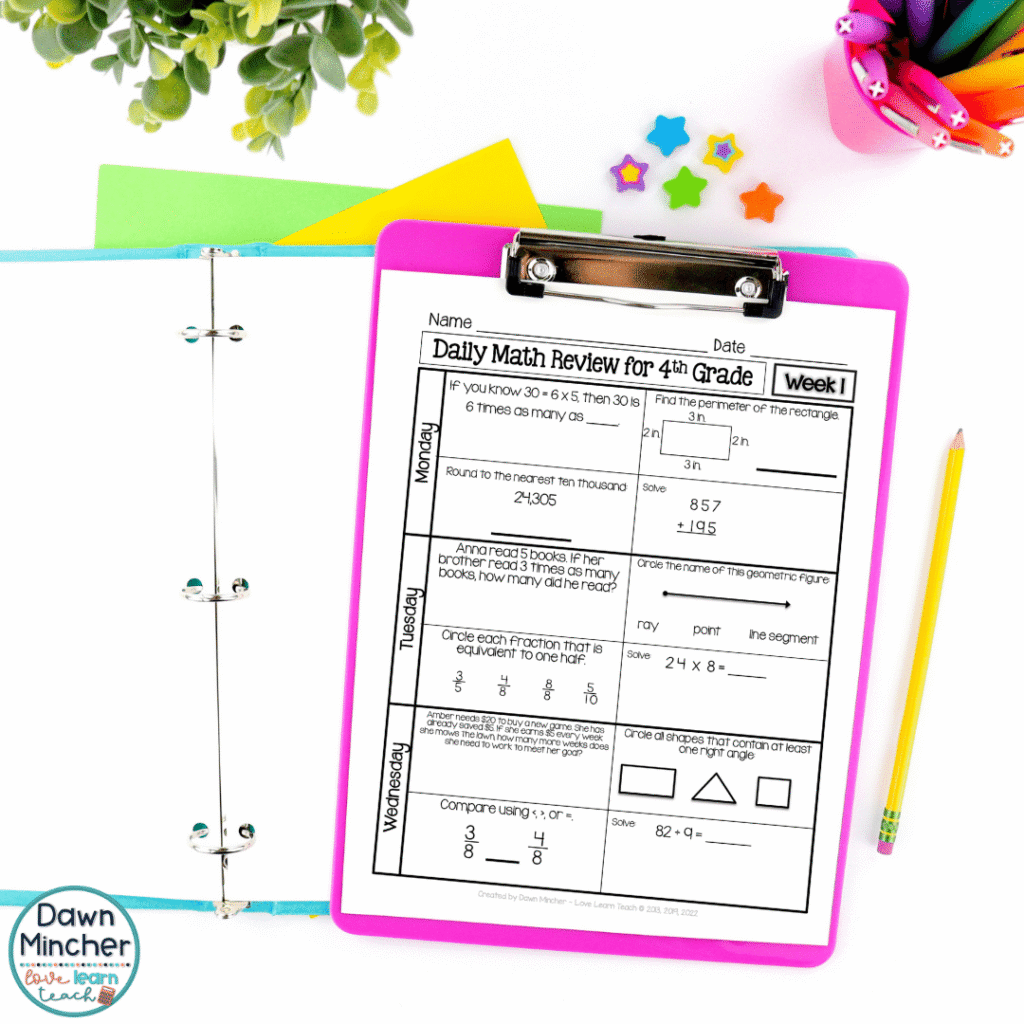
Instead of spending weeks reteaching every previous standard, I used spiral review pages as one of my core daily math routines. It allowed my students to revisit a variety of skills a little at a time without overwhelming them.
I liked that each day’s review included a mix of concepts instead of focusing on just one topic. My students practiced everything from place value and computation to geometry, fractions, measurement, and word problems in one short assignment. Since the skills continually rotated, my students had repeated opportunities to strengthen their understanding throughout the year.
Spiral review also gave me valuable information before I started teaching new content. If several of my students struggled with the same type of problem, I knew exactly what needed a quick review lesson. Sometimes we paused for five minutes, and other times I pulled a small group later that day.
Those simple observations helped me adjust instruction before small misunderstandings became bigger learning gaps.
Try Spiral Review Activities in Your Classroom
If you’re curious how these spiral review activities could work in your own classroom, I’ve got a special treat just for you! You can grab a free sample of my Spiral Review Pages by clicking right here!
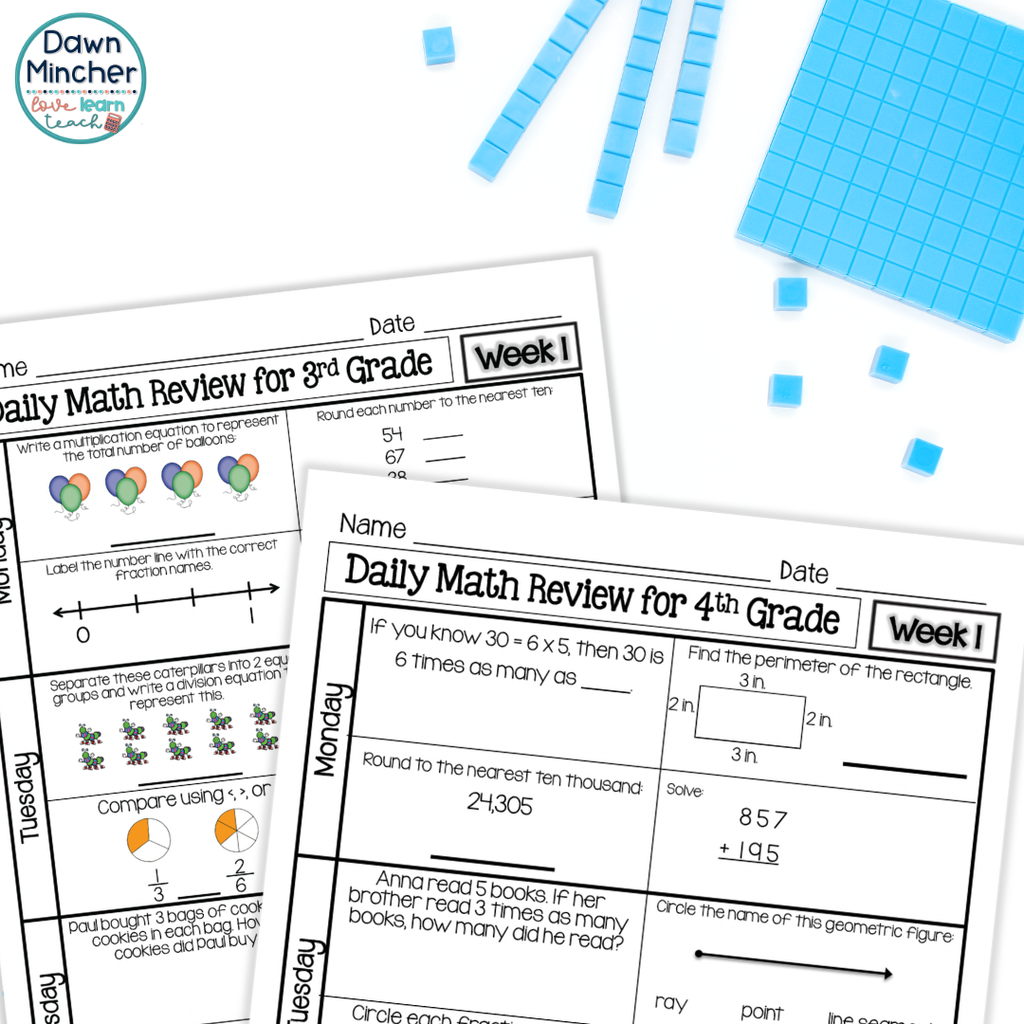
After you click the link and enter your email address, I’ll send the sample straight to your inbox. This is a great way to test out these pages in your classroom and see how they can become part of your own daily math routines.
Why Bell Ringers Became One of My Favorite Daily Math Routines
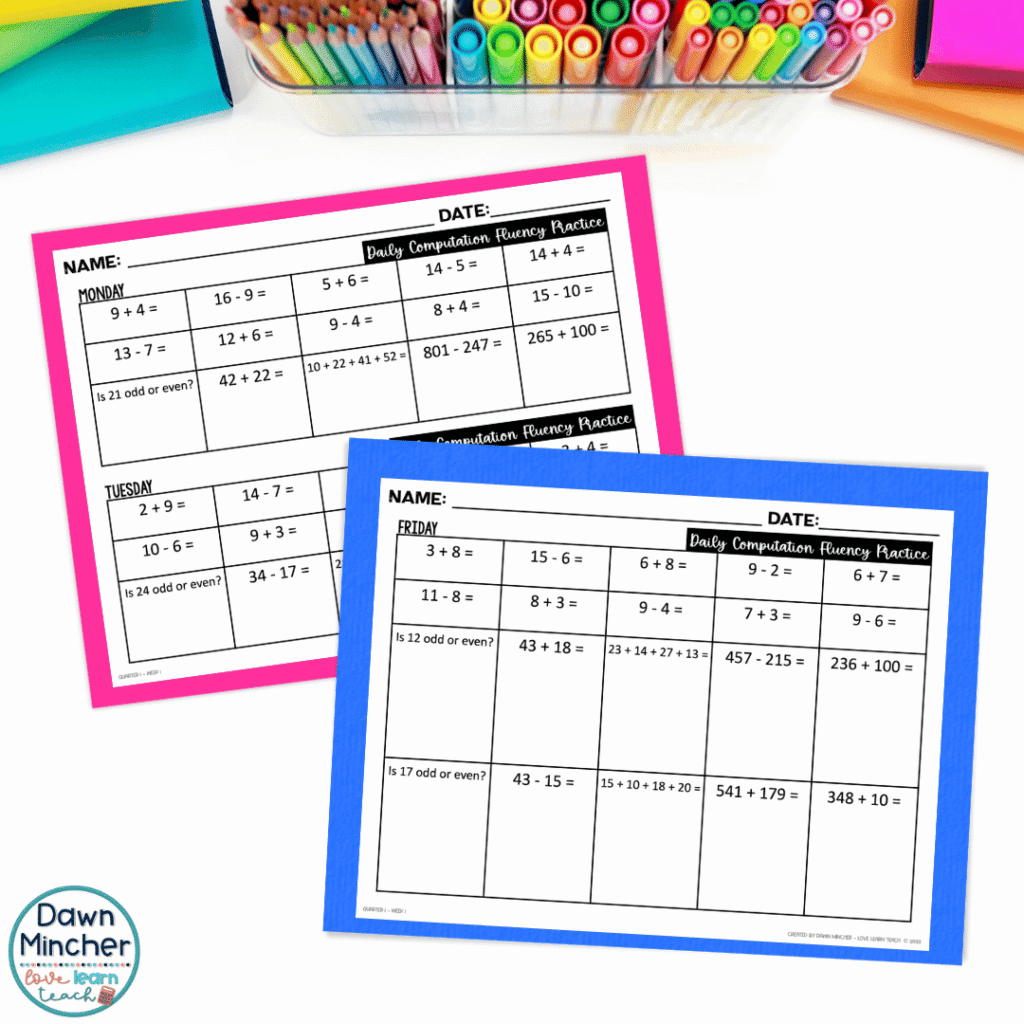
Another fantastic option to add to your daily math routines are bell ringer activities.
One question I have heard is, “Aren’t bell ringers and spiral review the same thing?” They certainly can work together, but they aren’t actually the same thing. A bell ringer describes when your students complete the activity, while spiral review describes what they’re practicing. Understanding that difference helped me choose the right daily math routines for my classroom.
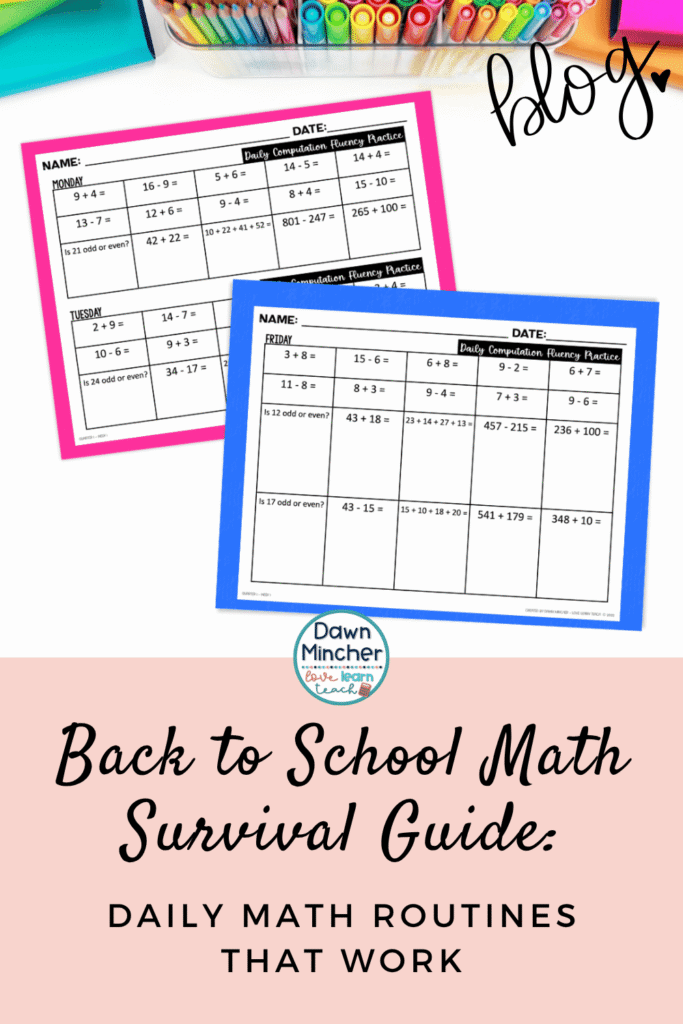
My bell ringers focused on helping my students become more fluent with computation. Instead of reviewing several different math concepts, my students practiced solving addition, subtraction, multiplication, and division problems quickly and accurately. Building that automaticity allowed them to spend less mental energy on basic calculations and more energy solving complex problems later in the lesson.
The routine itself stayed exactly the same every day, even though the problems changed. As my students entered the classroom, they picked up their paper and immediately began working. While they were engaged, I handled attendance, collected notes, or checked in with individual students. By the time everyone finished, we were ready to transition smoothly into the day’s lesson.
Give Bell Ringers a Try, Too!
Looking to test out this math routine, too? You’re in luck! I am also offering a free sampler of my favorite bell ringer activities, Daily Math Fluency Pages.
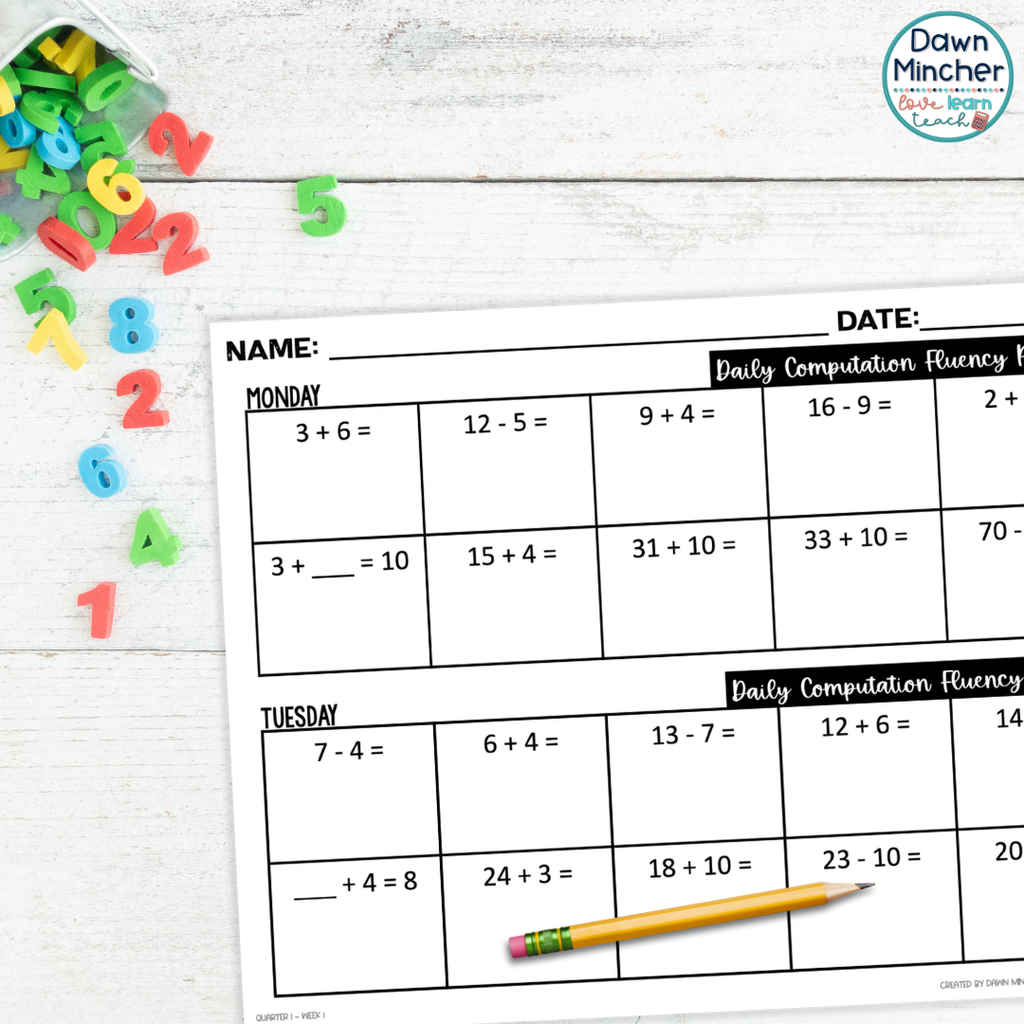
Try using these during morning work to kick off the day and give your students something to work on right away. These also make wonderful options for review, fast finishers, homework, and sub days! Grab your freebie to test these pages out in your classroom!
Teaching Daily Math Routines Before Teaching the Math
Now that you have an idea of how daily math routines look in my classroom, let’s talk about a few important tips to make that flow as smoothly as possible.
One mistake I see made is assuming your students automatically know how to complete a morning routine. Even if your students used bell ringers or spiral review in a previous grade, your expectations may look completely different. That’s why I always spent the first week teaching the routine before expecting students to complete it independently. Those few extra days of practice saved countless reminders later.

On the first day, we didn’t rush through the page. I projected the spiral review on the board and modeled exactly what I expected. We talked about where to find the day’s page, how to write their name, and how to navigate the page. Then we solved each problem together, discussing our thinking along the way. My goal wasn’t to finish quickly. It was to help my students understand the routine.
On the second and third days, I gradually released more responsibility. My students would complete the first few problems independently while I walked around the room. I answered questions and encouraged everyone to attempt each problem. After a few minutes, we reviewed the answers together and talked through any misconceptions before moving into the day’s lesson. Those short practice sessions helped my students build confidence without feeling overwhelmed.
By the end of the first week, my students understood that these daily math routines were simply part of how we started every math class. Since we invested time teaching the routine first, I rarely had to stop later in the year to reteach those expectations.
Setting Expectations for Success
Clear expectations made all the difference in helping my daily math routines run smoothly. Before my students ever completed a page on their own, we practiced exactly what I expected. I learned that taking time to teach those small procedures prevented many classroom management issues later.

We talked about what my students should do if they became stuck on a problem. Instead of sitting quietly or waiting for me, I encouraged them to make their best attempt and move on to the next question. I reminded them that these activities weren’t about getting every answer correct. They were opportunities for me to see what they already understood and what still needed practice.
During the first week, I kept my expectations simple. I focused on students entering quietly, getting started right away, and making an honest attempt at every problem. As those habits became consistent, we gradually added new expectations, like checking work carefully, discussing strategies respectfully, and completing early finisher activities independently. Building the routine one step at a time helped my students feel successful instead of overwhelmed.
We also practiced what happened after they finished. I didn’t want early finishers wandering the room or distracting their classmates who were still working. Sometimes they checked their work, read independently, or completed another meaningful task while everyone finished. Since we practiced these expectations early, my daily math routines became one of the calmest parts of our school day.
How I Reviewed Without Losing Valuable Class Time
One of the biggest concerns about spiral review and bell ringers is the worry of using up too much class time. I completely understand that concern because I didn’t want my warm-up to become the entire lesson. Over the years, I found that reviewing daily math routines didn’t have to take long to be effective. The goal isn’t to explain every problem in detail. The goal is to uncover misconceptions and prepare your students for the day’s learning.
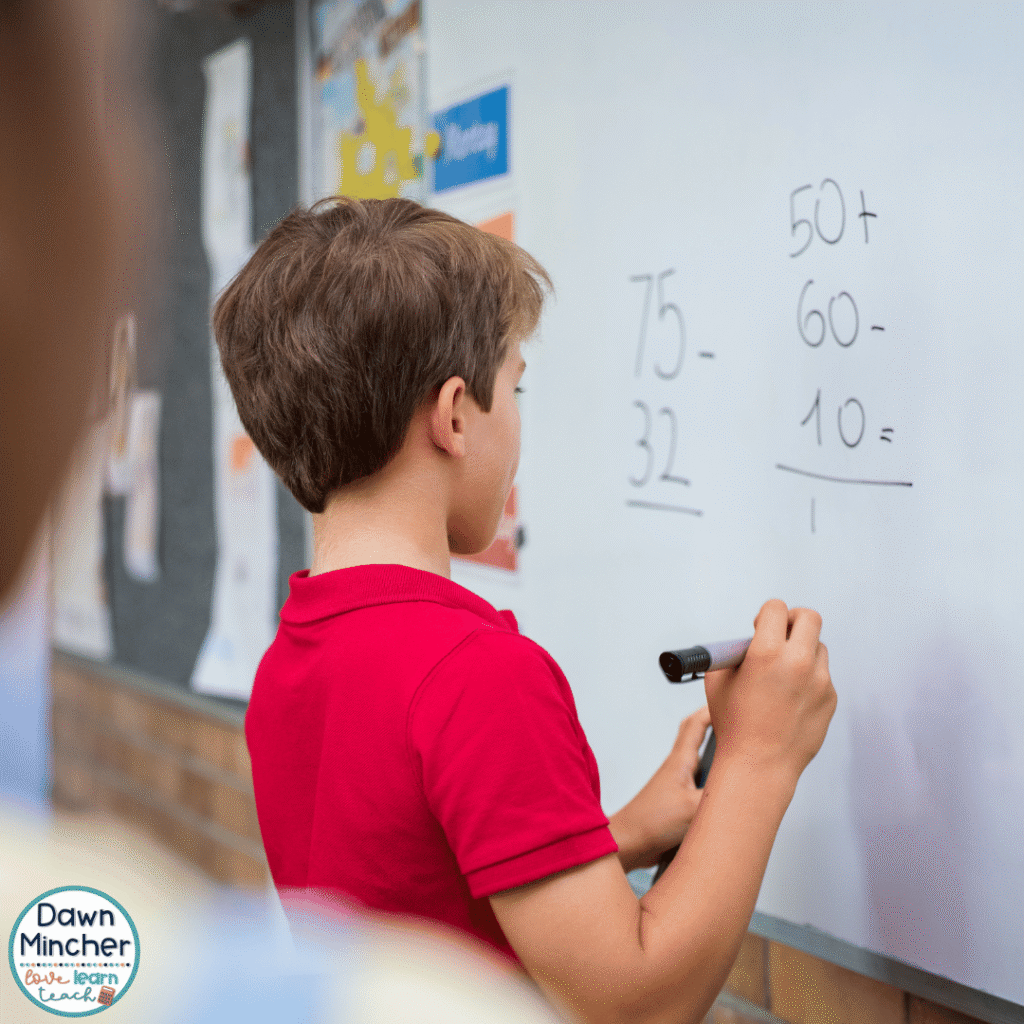
Instead of reading answers one by one, I asked my students to explain their thinking. Sometimes I invited a volunteer to solve a problem under the document camera while classmates compared strategies. Other days, my students turned to a partner and discussed how they solved a question before we shared as a class. Those conversations helped me hear their math thinking that I never would have noticed from answer checking alone.
I also learned that not every problem needed a whole-class discussion. If everyone answered a question correctly, we celebrated and moved on. I spent our time discussing the problems that caused confusion or revealed common mistakes. Most days, reviewing our daily math routines took only five to ten minutes, leaving plenty of time for new instruction.
Using Daily Math Routines as Formative Assessment
One of the biggest benefits of daily math routines was the window they gave me into my students’ thinking. I rarely collected the pages for a grade because that wasn’t their purpose. Instead, I walked around the room while my students worked and paid attention to what they were doing.

As you circulate, look for patterns instead of individual mistakes. If several of your students miss the same type of problem, that’s usually a sign the class needs a quick review before moving on. If only one or two of your students are struggling, make a note to meet with them during small group instruction or intervention.
Don’t feel like you have to stop your lesson every time you notice an error. Sometimes, I simply jotted down a note on a sticky note or a clipboard and addressed it later that week. Other times, I adjusted my lesson on the spot because I realized my students needed a quick refresher first. Using daily math routines this way helped me teach my students in front of me instead of relying on assumptions.
Routines that Build Independence
One of my favorite moments each school year happened several weeks after school started. I would look up from greeting my students at the door and realize that everyone had already settled into the routine. No one was asking what to do first because they already knew. Our daily math routines had become automatic.
That independence didn’t happen by accident. It happened because we practiced the routine consistently every day and revisited expectations whenever needed. If the routine started slipping after a long weekend or school break, we simply reviewed it together. Taking a few minutes to reteach the procedure was always worth it because it quickly got us back on track.
By October, the beginning of math class looked completely different from how it had during the first week of school. My students walked in, gathered their materials, and immediately got to work while I finished the few tasks that needed my attention. Those consistent daily math routines saved instructional time, reduced classroom management issues, and helped every math lesson begin with purpose.
Additional Resources for Your Daily Math Routines
If you’re looking for daily math routines, I designed my Daily Spiral Review and Daily Math Fluency Bell Ringer resources to make those first few minutes of math class both meaningful and manageable.
The Daily Spiral Review resources continually revisit important grade-level concepts. This gives your students opportunities to strengthen previously taught skills while helping you identify misconceptions before they grow.
If your students needed additional support with computation, my Daily Math Fluency Bell Ringers provided focused practice to build accuracy and automaticity with basic operations. They worked well as bell ringers, morning work, math stations, homework, or even whole-class practice.
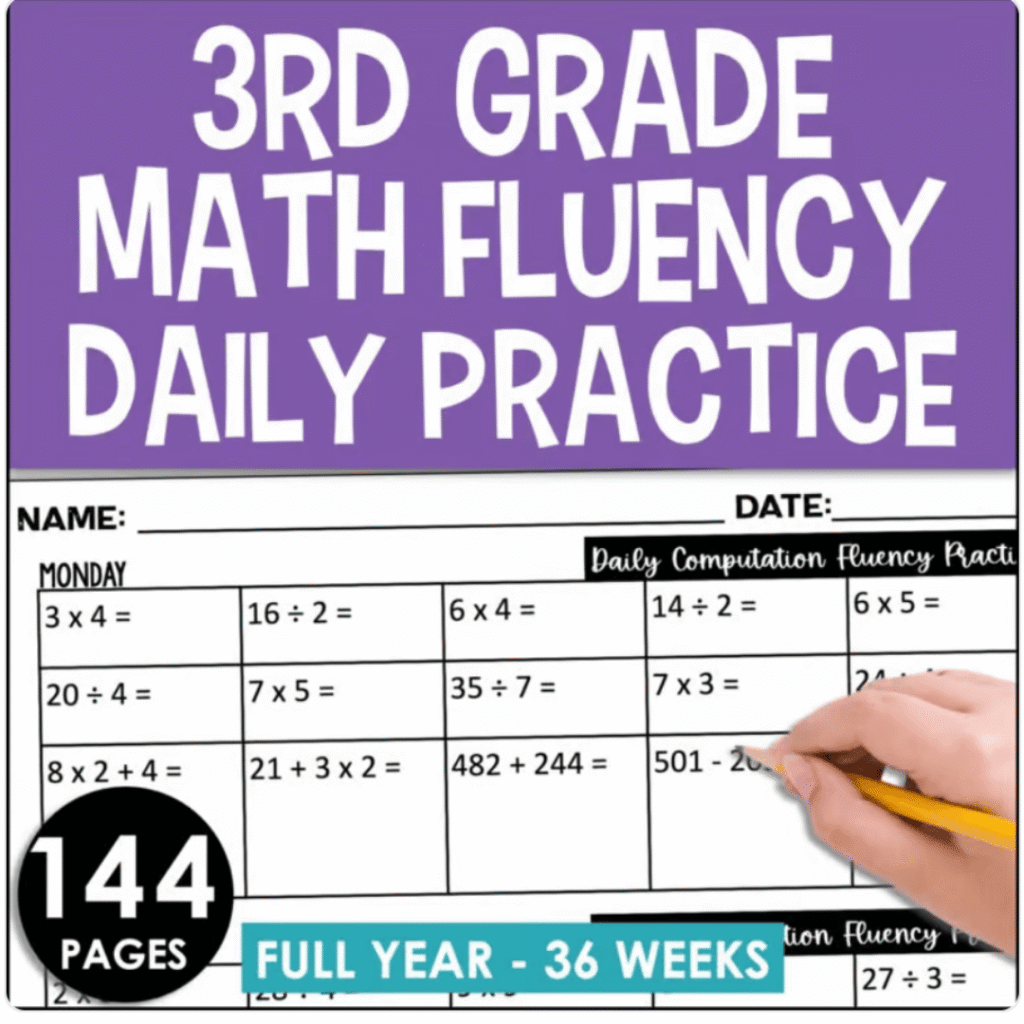
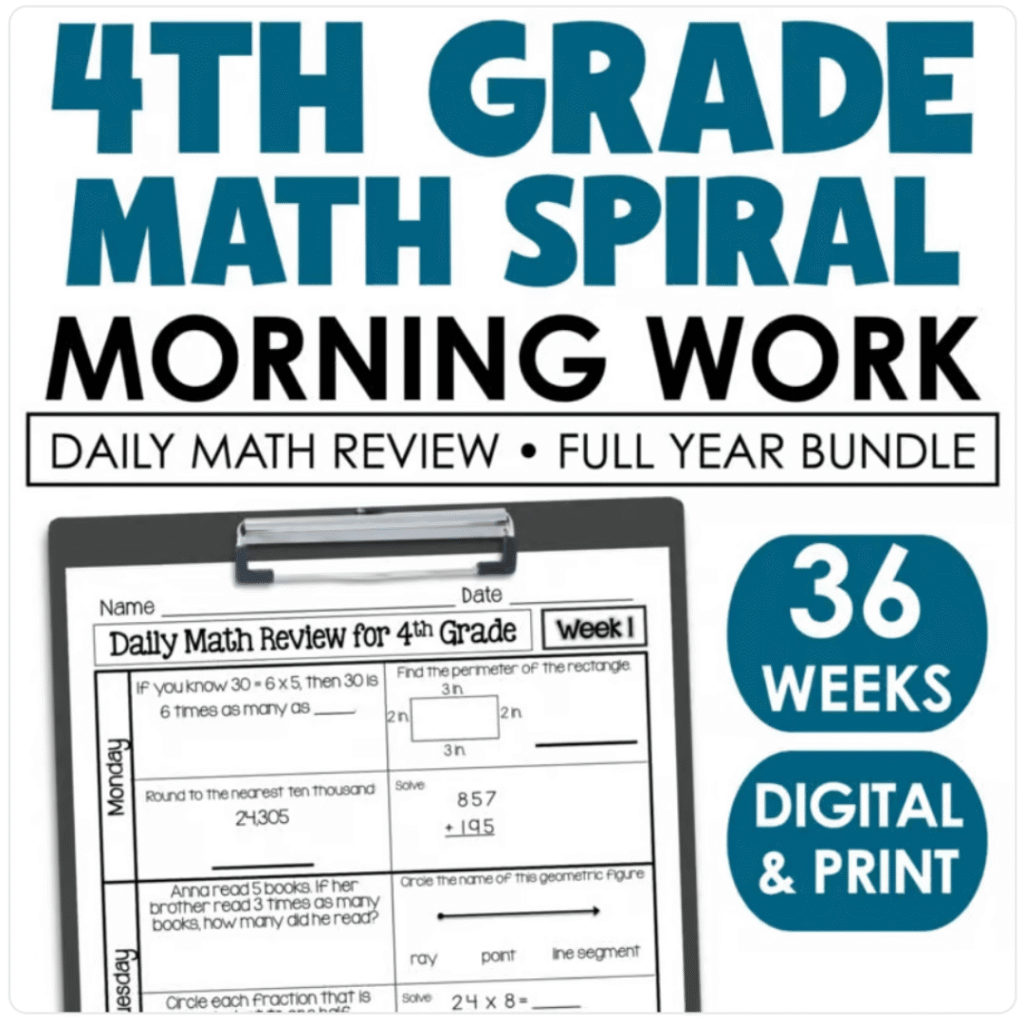
If you’d like to try these daily math routines before purchasing a full resource, don’t forget to grab my two free samplers! You’ll receive a free sample Daily Spiral Review practice for grades 2–5 to help your students review important math standards. You can also receive a free Daily Math Fluency sampler featuring one full week of computation practice for each grade level. These will make it easy to find the routine that works best for your classroom.
Daily Math Routines Make the School Year Feel Less Overwhelming
The beginning of the school year will probably always feel busy. There are procedures to teach, relationships to build, and new content waiting just around the corner. Looking back, my daily math routines did much more than review math skills. They helped my students start each class with confidence, gave me valuable information about their understanding, and created a predictable rhythm that lasted all year. Sometimes the smallest routines end up making the biggest difference, and this was definitely one of them.
Save for Later
Planning your daily math routines now can save you time and reduce stress all year long. Save this post to your favorite math Pinterest board so you’ll have these ideas ready as you prepare your math block and establish successful classroom routines.